

By John — South Africa
There’s something electric about planning travel for the year ahead. For me, 2026 feels like a reset: borders settled, flights plentiful, and a hunger for places that mix culture, nature, food and a little unpredictability. I’ve put together this list of 20 places that — whether because of new infrastructure, a cultural moment, or simply timeless beauty — are worth prioritising next year. I write this as a fellow traveller who loves mountains and markets in equal measure; expect practical tips, signature experiences, and the small joys that make each place unforgettable.
1. Kyoto, Japan — the poetry of season and ceremony
Why go: Kyoto is timeless: a city of wooden teahouses, mossy gardens, and shrines threaded through neighbourhood streets. Post-pandemic travel has returned to Japan with a flourish, and Kyoto’s festivals and restored cultural experiences are more accessible than ever. Visiting here is like stepping into carefully composed photography — where every path leads to a temple, every alley has a craft shop, and every meal is a ritual.
Signature experience: Wake before dawn for Fushimi Inari’s torii paths with few people; take a slow tea ceremony; and time a visit to coincide with cherry blossom or fall foliage.
Practical tip: Buy a JR pass or regional rail pass if you’re exploring wider Kansai; rent a bicycle to feel how compact and layered Kyoto is.
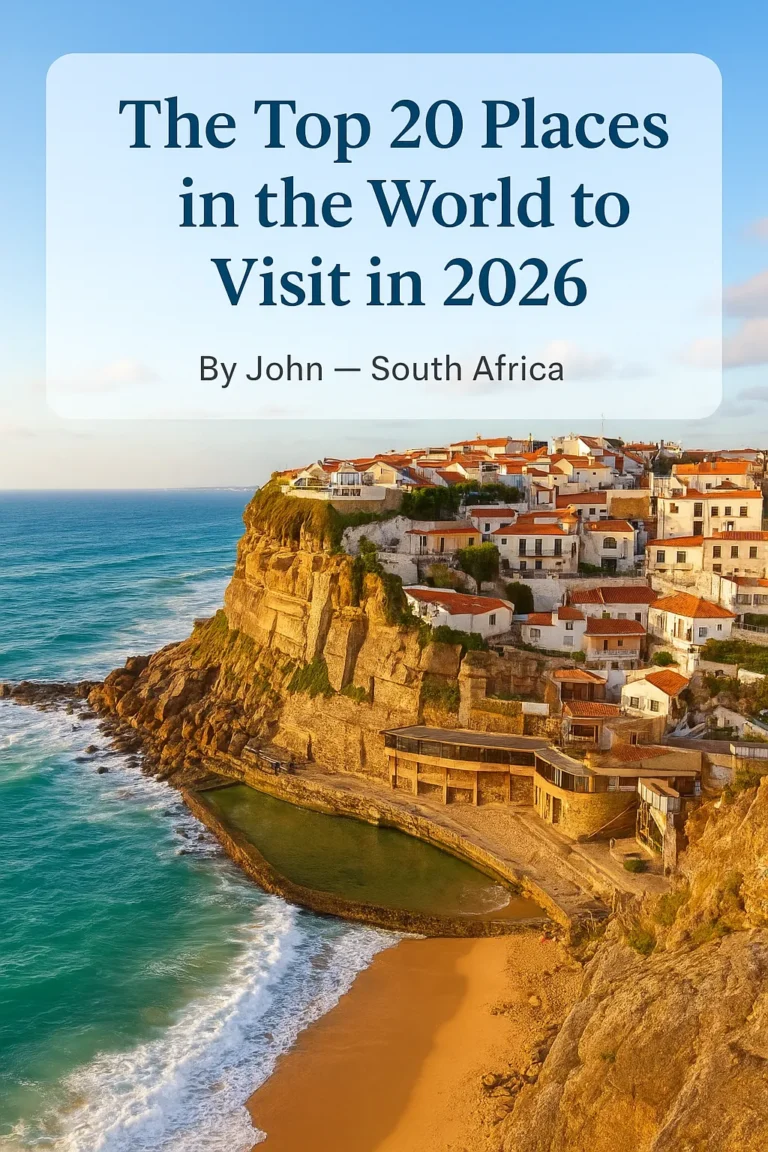
2. Lisbon & the Algarve, Portugal — light, tiles and Atlantic nights
Why go: Lisbon keeps reinventing itself, but never loses its melancholic soul. 2026 brings even better connectivity from many European cities and an ever-strong café culture. Combine the city’s pastel facades and tramlines with a few days in the Algarve — dramatic cliffs, hidden coves, and seafood that tastes of the ocean itself.
Signature experience: A fado evening in Alfama, pastel de nata at a morning kiosk, and a coastal drive along the Algarve’s golden cliffs.
Practical tip: Lisbon’s hills reward good footwear; use the tram and ferry networks to explore across the river. Travel + Leisure
3. Iceland — the original “coolcation”
Why go: Iceland’s lure is elemental: geysers, glaciers, black-sand beaches and those otherworldly northern lights. It’s a place for slow drives, outdoor bathing, and wilderness that feels cinematic. With its tourism infrastructure matured and experienced operators offering low-impact tours, Iceland remains one of the most accessible frontiers for nature lovers in 2026.
Signature experience: Drive the Ring Road, detour to the Westfjords, and book a night in a countryside cabin to chase auroras.
Practical tip: Pack for variable weather; winter roads need a 4×4 and local guidance. Forbes
4. Kyoto to Tokyo (Japan) combined route — old and ultra-modern contrast
Why go: Japan rewards slow travel: Kyoto’s temples and Tokyo’s neon now sit in easy reach thanks to fast rail. That contrast — subways and skyscrapers versus teahouses and zen gardens — makes a combined itinerary deeply satisfying.
Signature experience: Sleep in a ryokan in Kyoto, then return the next day to Tokyo for a late-night ramen hunt in Shinjuku.
Practical tip: Buy tickets for special exhibitions and robot/tech shows in Tokyo in advance; museums often run limited-capacity events.
5. Rome & Amalfi Coast, Italy — art, history and cliffside magic
Why go: When you crave history by day and Mediterranean sunsets by night, this combo is unbeatable. Rome’s layers of ruins, piazzas and espresso culture pair perfectly with Amalfi’s coastal drives, pastel villages, and lemon groves. In 2026, local efforts to balance tourism and community life are improving visitor experiences in both places.
Signature experience: Early-morning Colosseum visit, a twilight walk in Trastevere, then coastal ferry hops between Positano and Capri.
Practical tip: Book Amalfi boat rides well ahead in summer; consider shoulder seasons (May/September) for fewer crowds.
6. New Zealand — South Island road trip & quiet fjords
Why go: For sheer outdoor variety — alpine passes, glacial lakes, fjords and wild coasts — New Zealand’s South Island is a dream. The long-term investments in conservation and boutique eco-lodges make 2026 a great year to experience nature with care.
Signature experience: Hike a section of the Milford Track or Kepler Track, kayak in Milford Sound, and savour lamb and local wines in Central Otago.
Practical tip: Distances aren’t huge but road conditions can be narrow and winding; give yourself time and respect the seasons.
7. Machu Picchu & Sacred Valley, Peru — ancient stones and Andean light
Why go: Some places remain singular. Machu Picchu is one of them — a site that rewards early mornings, thinner air, and quiet contemplation. Recent efforts to regulate visitor numbers have made the experience more intimate and sustainable. Combine it with the Sacred Valley’s markets, ruins, and highland communities for a fuller picture.
Signature experience: Sunrise at the Sun Gate, a guided Incan stonework tour, and exploring Pisac’s market for textile treasures.
Practical tip: Acclimatise in Cusco for a couple of days before hiking; book entrance and train tickets early. Travel + Leisure
8. Banff & Lake Louise, Canada — alpine grandeur
Why go: Banff National Park is a postcard come to life: turquoise lakes ringed by mountains, icefields seen from scenic drives, and wildlife sightings that thrill without effort. The park’s stewardship and well-designed trail networks make it an ideal place for hikers, photographers, and families in 2026.
Signature experience: Canoe on Lake Louise at dawn, take the Banff Gondola for panoramic views, and hit a hot spring after a day on the trails.
Practical tip: Summer can be busy — try shoulder seasons for fewer people and dramatic light.
9. Amalfi & Capri day-hopping — Italy, but make it coastal couture
Why go: The Amalfi coastline deserves a dedicated mention: narrow roads, towns stacked like theatre sets, and the turquoise sea below. Capri’s Blue Grotto and chic piazzas offer glamour; Amalfi and Ravello charm with gardens and old-world calm.
Signature experience: An early-morning ferry from Sorrento to Capri, a chairlift up Monte Solaro, then a lemon-scented evening in Ravello.
Practical tip: Ferries are seasonal and fill quickly in July–August — plan accordingly.
10. Patagonia (Chile & Argentina) — wind, glaciers and wide horizons
Why go: If you want landscapes that feel like they were painted on a vast, dramatic canvas, Patagonia answers. Towering spires, blue glaciers and trekking routes that test and reward you — it’s the rawest of travel. 2026 sees more small-operator treks and conservation-minded visits across the region.
Signature experience: Trek to the base of Cerro Torre, take a glacier boat trip, and sleep under a wide southern sky.
Practical tip: Weather changes fast — layers and flexible itineraries are essential.
11. Seychelles — Indian Ocean island perfection
Why go: For pure beach bliss with biodiversity — think granite boulders, palm-fringed coves, and clear water — Seychelles remains unmatched. It’s a place for private beaches, Creole food, and reef snorkelling that feels like entering another planet. In 2026, eco-resorts continue to improve low-impact stays and marine conservation experiences.
Signature experience: Snorkel in Sainte Anne Marine Park, visit Vallée de Mai’s coco de mer palms, and linger over seafood on a beachfront verandah.
Practical tip: Inter-island flights and ferries are the norm — plan connections ahead.
12. Zanzibar, Tanzania — spice markets and turquoise seas
Why go: Off Africa’s east coast, Zanzibar blends culture and coast in a fragrant, colourful way. Stone Town’s labyrinthine streets, carved doors, and spice tours feed curiosity; pristine beaches offer lazy afternoons. 2026 sees renewed interest in combining cultural stays with responsible beach tourism on the island.
Signature experience: A spice plantation tour, exploring Stone Town at sunset, and kitesurfing on Paje’s beaches.
Practical tip: Respect local customs in Stone Town and book transfers between island beaches in advance.
13. Cape Town, South Africa — my hometown’s wide appeal (and yes, you should go)
Why go: I can’t list the world without including Cape Town. Table Mountain, a rugged coastline that feels theatrical, world-class restaurants and vineyards just outside the city — Cape Town blends adventure with comfort. In 2026 the city continues to deepen its food scene and eco-experiences, from penguin viewing on Boulders Beach to scenic coastal drives.
Signature experience: Hike or take the cable car up Table Mountain at dawn, drive Chapman’s Peak, and taste wines in Constantia or the nearby Cape Winelands.
Practical tip: Summer (Dec–Feb) is peak season; book accommodation and popular tours early.
14. Marrakech, Morocco — sensory overload in the best way
Why go: For markets, spice and architectural drama, Marrakech is intoxicating. The old medina pulses with life, and the riads (traditional homes converted into guesthouses) offer cool, private refuges in the city’s heart. 2026 keeps Marrakech in the spotlight as Morocco modernises travel offerings while preserving heritage.
Signature experience: A guided souk walk in the medina, a night in a candlelit riad courtyard, and day trips into the Atlas Mountains.
Practical tip: Bargaining is part of the culture; keep an open mind and a lighter luggage load for shopping.
15. Petra & Wadi Rum, Jordan — rock-carved wonder and desert moonscape
Why go: Petra’s rose-red façades enter your imagination long before you arrive. Paired with Wadi Rum’s shifting sand and star-strewn deserts, Jordan forms a pair of experiences that feel cinematic and intimate. Increasing sustainable tourism practices help preserve both sites for future travellers.
Signature experience: Walk the Siq before the crowds hit Petra, and sleep under the desert stars in a Bedouin camp in Wadi Rum.
Practical tip: Petra is best seen over two days; bring sturdy shoes for the uneven stone paths.
16. New York City, USA — the city that reinvents itself
Why go: New York never stops changing: new museums, neighbourhood restaurants and curated cultural festivals keep it young and vital. For 2026, the city’s blend of world-class arts, food from every corner of the globe, and gallery openings makes it unbeatable for cultural travellers.
Signature experience: A rooftop sunset in Manhattan, gallery-hopping in Chelsea, and a late-night walk through Times Square just to feel the pulse.
Practical tip: Buy tickets ahead for Broadway shows and popular museum exhibitions.
17. Bali & Lombok, Indonesia — surf, temples and rice terraces
Why go: Bali is multifaceted: spiritual temples, rice terraces that look like green embroidery, and beaches for surfers and sunbathers. Nearby Lombok offers quieter beaches and the chance to climb Rinjani for sunrise — great for combining relaxation with a bit of adventure. Sustainable tourism initiatives in the region are strengthening community travel options in 2026.
Signature experience: Sunrise at Mount Batur, a rice-terrace walk in Ubud, and a surf lesson on a mellow southern break.
Practical tip: Respect temple etiquette; hire local guides for cultural tours to contribute directly to communities.
18. Ljubljana & Slovenia — sweet, compact European charm
Why go: Slovenia is compact but rich: Ljubljana’s walkable centre, surrounded by access to lakes, caves, and alpine valleys, makes for easy and varied travel. It’s a great 2026 pick for travellers wanting European charm without the crush of mass tourism.
Signature experience: Row on Lake Bled at dawn, explore Škocjan or Postojna Caves, and sample Slovenian wines in a countryside tavern.
Practical tip: Rent a car for countryside days, but use Ljubljana’s excellent public transport for city stays.
19. Santorini & the Greek islands — sunsets and cycladic white
Why go: Santorini is the archetype of Greek island romance: whitewashed buildings, cliffside hotels and sunsets that have inspired a million postcards. 2026 continues to offer boutique boutique accommodation options and ferry connections that make island-hopping easier and more varied.
Signature experience: Sunset in Oia, a catamaran cruise of the caldera, and sampling fresh seafood in a cliffside taverna.
Practical tip: Peak season is hot and crowded; visit in May–June or September–October for gentler crowds and better rates.
20. Quebec City & Eastern Canada — European charm close to the north
Why go: If you want Old-World architecture without crossing an ocean, Quebec City delivers. Cobblestone lanes, cafés tucked under steep roofs and winters that feel like a storybook make it a year-round destination. Add a stretch of Canada’s eastern coastline or the Bay of Fundy for nature and sea.
Signature experience: Wander Old Quebec’s historic ramparts, take a culinary tour of local specialities, and explore nearby national parks.
Practical tip: Winters are cold but magical — pack appropriate gear and plan for shorter daylight in deep winter.
Themes for 2026: Why these places now
As I looked across this list, a few themes emerged that make 2026 a special year to travel:
1. Greater sustainability and quieter tourism infrastructure. Many of these places are now balancing visitor numbers with conservation through regulated entry (Machu Picchu), community tourism (Patagonia, New Zealand) and improved eco-lodging (Seychelles, Iceland). These changes make travel more rewarding and more respectful. Lonely Planet+1
2. Rediscovery of lesser-known neighbours. People are pairing iconic cities with nearby quieter regions — Lisbon with the Algarve, Rome with Amalfi, Kyoto with smaller Kansai towns — giving a richer, less crowded experience. Travel editors and experts are recommending these combined itineraries as smarter ways to travel in 2026. Travel + Leisure+1
3. Continued appetite for outdoor and active travel. From the Northern Lights to the Patagonian winds and New Zealand’s tracks, the appetite for outdoor adventures remains strong. Operators are specialising in small-group, low-impact excursions designed to preserve landscapes while improving visitor experiences. Forbes
Planning notes & practical tips for big trips in 2026
Book early, but travel thoughtfully. For many top sights, entry caps, seasonal ferries, and regulated treks mean advance planning is no longer optional. That’s a blessing: it reduces last-minute chaos and encourages better itineraries.
Travel insurance and flexibility. 2026 travel is robust but still benefits from contingency planning — insurance, refundable bookings when possible, and a flexible mindset for weather or local changes.
Respect local rhythms. Wherever you go, take time to learn a few local customs: a few words of greeting, dressing appropriately at sacred sites, and being mindful of noise in residential neighbourhoods. This builds goodwill and makes your trip smoother.
Mix big sights with small joys. See the must-dos (Machu Picchu, Table Mountain, Fushimi Inari), but also spend time in cafés, markets, and small neighbourhoods. Travel’s real magic arrives in the small, slow moments.
Sample 3-week itinerary idea (to stitch some of these together)
Week 1: Europe — Lisbon (3 nights) → Day trip to Sintra → Fly to Rome (4 nights) → Amalfi Coast (3 nights)
Week 2: Transatlantic jump — Fly Rome → Lima/Cusco (2 nights to adapt) → Sacred Valley & Machu Picchu (3 nights)
Week 3: Island calm — Return to Europe via Iceland (3 nights of nature) or finish with a week in Cape Town and nearby Winelands if you prefer southern skies.
This gives a mix of city, mountain and coast — and a full taste of culture, nature and food without being frantic.
Final thoughts from a South African traveller
Planning travel for 2026 feels like ink on a map: crisp, hopeful and personal. As someone who lives where the ocean meets mountains, I’m endlessly grateful for places that open slowly and kindly. These 20 spots offer variety — some are long-standing classics; others are places whose time is now because of thoughtful change and renewed access.
If you want, I can turn this list into:
• A downloadable 2-week sample itinerary for any two places you pick;
• A packing checklist tailored to one of these destinations (e.g., Patagonia vs Seychelles); or
• A budget outline showing low/medium/high cost estimates per destination.
Which would you like next? I’m happy to map one of these trips with dates, budgets, and booking tips. Safe travels — and may your 2026 be full of new horizons. ✈️🌍