
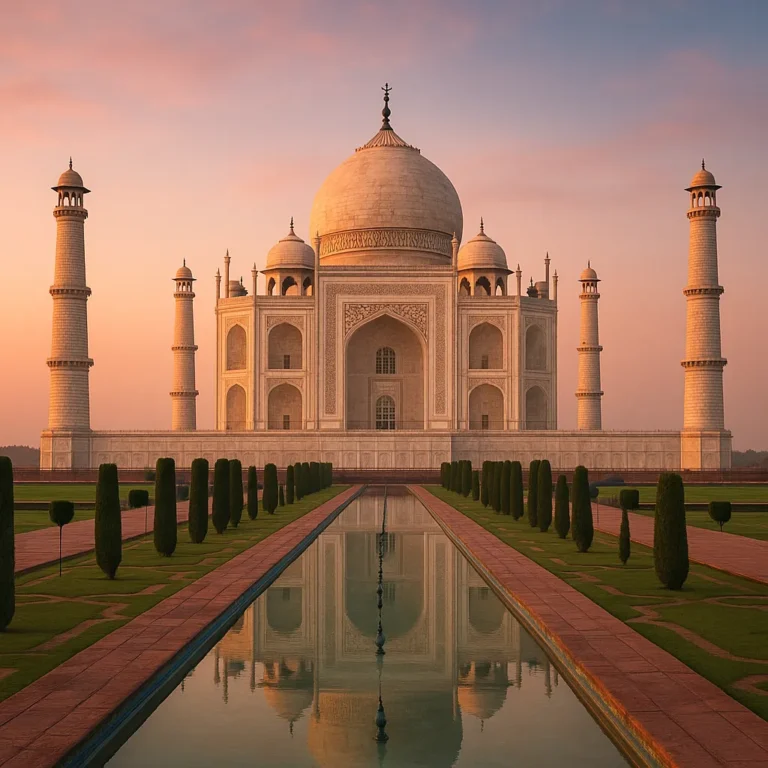

India is a country of glorious contrasts — deserts and rainforests, snow-capped mountains and tropical beaches, age-old rituals and bustling modern cities. Every time I return home from a trip, I find a new corner that steals my breath away. If you’re planning travels in 2026, here are the places I’d recommend — with practical tips, timing advice, what to eat, and how to travel responsibly while you explore the subcontinent.
How I chose these places (quick note)
This list mixes perennial classics (think Taj Mahal and Kerala backwaters) with experiential picks for 2026 — mountain treks, festival windows, and uniquely Indian natural wonders. For context, well-established travel resources regularly list Agra, Kerala, Goa, and the Himalayan valleys among the most-visited and rewarding destinations in India. Lonely Planet+1
1) Agra and the Taj Mahal — timeless and unavoidable
If a first-timer asks me where to go in India, Agra is near the top. The Taj Mahal isn’t merely a photo stop; it’s an experience — sunrise light on white marble, the reflective pool, and the hush as guides tell the story of love and loss. If you want fewer crowds, the best practice is to arrive at dawn and book your entry slot in advance. Beyond the Taj, Agra Fort and Mehtab Bagh (for river views) are must-sees. For food, try petha (a sweet specialty) and Mughlai meat dishes in the old city.
When to go: October–March (cooler and clearer). Plan your days early to avoid the heat and crowds.
2) Rajasthan — Jaipur, Jaisalmer, Udaipur: royal palaces and desert skies
Rajasthan is India’s dramatic pageant: gleaming palaces in Jaipur, the desert citadel and golden sandscapes of Jaisalmer, and the lakeside romance of Udaipur. Each city has its own pace: Jaipur hums with bazaars and forts, Jaisalmer slows you down for camel safaris and star-filled desert nights, and Udaipur invites relaxed boat rides and rooftop dinners.
Highlights & tips
- In Jaipur, Amber Fort, City Palace, and the Hawa Mahal at sunset are essentials. Don’t miss the artisan bazaars near Johari Bazaar for jewelry and textiles.
- In Jaisalmer, book a desert camp with local hosts (support local guides), and time a sunrise camel ride for incredible photographs.
- Udaipur is perfect for a slow 48-hour stay — great food, lakefront cafés, and heritage hotels.
When to go: October–March. Pack layers for chilly desert nights.
3) Ladakh (Leh & Pangong) — moonlike landscapes and clear mountain air
If your heart seeks high-altitude silence, jagged mountain ridgelines, and turquoise lakes, Ladakh is a top pick. Roads open after snow melt, and the region is ideal for exploratory road trips (Leh, Nubra Valley, and Pangong Lake), monasteries tucked on cliff edges, and an otherworldly landscape that’s both stark and beautiful. Remember: altitude acclimatization matters. Spend at least 48 hours in Leh before driving to high passes.
Practical: Carry a basic altitude-sickness plan, travel light, and respect local weather warnings. Summer months (June–September) are the main window for travel.
4) Uttarakhand’s Valley of Flowers & Hemkund — floral comets and Himalayan treks
The Valley of Flowers is a dream for nature lovers. I remember walking through carpets of alpine blooms — a riot of color framed by snow-peaked ridges. It’s a UNESCO-favoured trekking destination and one of India’s most poetic natural spaces. If you’re planning this trek, go during the peak bloom months and travel with registered guides for safety and conservation support. Indiahikes+1
When to go: June–September for flowers; late monsoon months show the valley at its best. Bring good trekking shoes, waterproof layers, and leave no trace.
5) Kerala — backwaters, spice gardens, and slow travel
“God’s Own Country” is a difficult label to resist because Kerala invites you to slow down: houseboat nights on the backwaters, tea slopes in Munnar, and spice-scented cooking classes. A houseboat cruise is a highlight — slow paddling past coconut palms while local cooks prepare seafood and curry on the deck. Don’t miss Kerala’s ayurvedic spas for a restorative treatment if you have time.
Best times: December–February (pleasant coastal weather), but Kerala’s monsoon also has a special quiet charm (June–September) for Ayurvedic retreats.
6) Goa — more than parties: heritage, beaches, and hinterlands
Goa is an all-rounder. While many think of it as beaches and nightlife, Goa’s Portuguese heritage, spice farms, Old Goa churches, and quiet southern beaches make it a flexible destination for families, solo travelers, and backpackers alike. Try local fish curry, xacuti, and the fresh catch at seaside shacks. If you’re into music festivals (which are often scheduled around winter), check dates early.
Tip: Explore the interior — waterfalls, spice plantations, and lesser-known beaches are quieter and rewarding.
7) Andaman & Nicobar Islands — blue water, coral reefs, and remote beaches
The Andamans are India’s tropical island treasure: clear snorkeling, pristine beaches (Radhanagar Beach is famous), and a relaxed island rhythm. It’s an excellent place for SCUBA and sea-kayaking. For 2026, check official travel advisories and local tourism updates before you go — the islands are well-managed, but regulations and marine protection measures can change to protect fragile ecosystems. The Andaman Tourism Board keeps updated visitor information. andamantourism.gov.in
Practical: Book ferry and flight legs early during peak season (Dec–Feb). Respect coral and marine life — do not touch reefs.
8) The Rann of Kutch — moonlit salt plains and tribal crafts
The white salt marsh of the Rann of Kutch is surreal — especially under a full moon. The Rann Utsav, a cultural festival and tent city, runs seasonally and gives visitors a chance to experience crafts, music, and desert nights. For 2025–26, official festival dates centered around winter make it a great late-year plan; the event traditionally runs from late October through early March, with special ‘full moon’ nights that attract photographers and festival lovers. Rann Utsav+1
When to go: November–February for cool daytime weather and cultural programming.
9) Varanasi — river dawns and living history
One of the world’s oldest continuous cities, Varanasi is a sensory immersion: dawn boat rides on the Ganges, the sight of sadhus and rituals, and narrow lanes full of shops selling silk and spices. Visiting the ghats at sunrise is an unforgettable, solemn experience. Respect local practices and ask permission before photographing people closely.
10) Hampi — ruined temples and surreal boulder-strewn landscapes
Hampi’s temple ruins are not just archaeological riches; they’re an open-air wonderland. Cycling through the ruins at sunrise and watching the warm light on ancient stone is among my favorite slow-travel memories. The landscape is postcard-perfect and excellent for photography, rock-climbing, and history appreciation.
11) The Northeast — Sikkim, Meghalaya, and Assam (a world apart)
India’s Northeast is often overlooked, but it rewards travelers with distinct cultures, green landscapes, rich tea-growing regions, and vibrant tribal festivals.
- Sikkim: Gangtok’s stupas, Yumthang Valley, and the Tibetan Buddhist monasteries. The Tibetan New Year (Losar) is celebrated with ceremonies in the hills. The Times of India
- Meghalaya: Living root bridges and wettest skies near Cherrapunji and Mawlynnong (voted among Asia’s cleanest villages).
- Assam: Kaziranga National Park for one-horned rhino sightings. If you love birding, this region is top-tier.
12) Darjeeling and the tea hills — steam engines and mountain tea
Darjeeling glories in emerald tea gardens, colonial-era charm, and — if you’re lucky — clear views of the Kanchenjunga massif at sunrise. A toy train ride on the UNESCO-listed Darjeeling Himalayan Railway is nostalgic and scenic. Sip first-flush Darjeeling tea at a hill-side estate and watch plucking teams at work.
13) Wildlife safaris — national parks with character
India’s wildlife offerings are diverse. From tiger safaris in Bandhavgarh, Kanha, and Ranthambore to specialized treks and walking safaris in select parks, there’s a real spectrum of experiences. Recent travel pieces highlight walking safaris and immersive nature experiences in parks like the Great Himalayan National Park and Satpura. If wildlife is your priority, book early with certified guides and follow park guidelines. The Times of India
Festivals & timing — plan around events for added culture
Traveling during a festival can make your trip unforgettable. For 2026, a few notable events and festival windows (and related advice) include:
- Rann Utsav (Kutch) — winter months with special full-moon nights and cultural showcases. Rann Utsav
- Losar & regional tribal festivals in the Himalaya — dates vary and often fall in early months; they’re worth aligning with if you want to experience local rituals. The Times of India
- Local harvest festivals in the Northeast and tribal gatherings — check local tourism boards for exact dates each year.
Sample 2-week India mash-up itinerary (balanced & realistic)
If you have two weeks and want a taste of India’s variety, here’s a sample plan I often recommend:
Days 1–3: Delhi → Agra (Taj + Agra Fort) — early mornings, one overnight in Agra.
Days 4–6: Jaipur (Amber Fort, City Palace, bazaars) — travel by road to feel the landscape.
Days 7–9: Fly to Udaipur (lakes, boat rides) or fly south to Kerala (if preferring a beach/relaxation pivot).
Days 10–12: Kerala backwaters (houseboat) or Goa (relaxing beaches and heritage)
Days 13–14: Return to Delhi / local flight out.
If you prefer nature and mountains, swap the Rajasthan leg for a Ladakh or Uttarakhand trek, adjusting time for acclimatization.
Practical travel tips for 2026
- Visas & documents: Check the latest e-visa rules or entry requirements well before travel. Some nationalities need e-visas; others require different procedures — always verify official government portals.
- Book early for peak season: Flights and hotels in popular months (Oct–Feb in most regions) fill quickly. For events like Rann Utsav and organised trekking windows, book months ahead. Rann Utsav
- Local transport: India has a mix of options: flights between major cities, scenic trains (book through official portals or trusted platforms), and cars for regional exploration. Trains can be an experience themselves — try at least one overnight sleeper.
- Health & safety: Carry basic medications, mosquito repellant for lowland and coastal regions, and altitude-awareness meds if heading to Ladakh. Travel insurance that covers adventure activities or helicopter evacuation (for remote mountain trekking) is wise.
- Cash vs cards: ATMs are common in cities but carry some cash in remote areas. Many small stalls accept only cash.
- Connectivity: Buy a local SIM at major arrival airports for data; it’s handy for maps and bookings.
Responsible travel — how to leave places better
India’s beauty is fragile. A few personal commitments I follow and recommend:
- Avoid single-use plastic where possible and carry a refill bottle with a purifier or tabs.
- Support small, local businesses: buy crafts directly from artisans, eat at family-run eateries, and hire licensed local guides.
- Respect wildlife laws: don’t feed animals, don’t approach or photograph nesting wildlife closely, and obey park rules.
- When trekking, stick to marked trails, avoid litter, and carry out everything you carried in.
Food & drink highlights (local dishes you should try)
India’s food is a reason to travel in itself. A few favorites I always recommend:
- Agra: petha, Mughlai kebabs.
- Rajasthan: dal-baati-churma, laal maas.
- Kerala: appam with stew, fresh seafood curries, and coconut-based desserts.
- Goa: fish curry, bebinca (dessert).
- North-East: tribal cuisines use smoked meats, bamboo shoots, and local greens — distinct and delicious.
Pace yourself with spice and street-food; go where locals line up (a good sign), and avoid food that’s been sitting out for long in the heat.
Photography & memories — tips for great photos
- Dawn and dusk are golden for photos (Taj at sunrise, desert at dusk, backwaters at sunset).
- Carry a small tripod for night sky and long-exposure shots in the desert or mountain areas.
- For portraits, ask permission before taking close photos of people, especially in religious or sensitive contexts. A small token of appreciation is always welcomed.
Packing checklist — what I never leave home without
- Lightweight, layered clothing for varied climates.
- A compact rain jacket (monsoon-ready) and sunhat.
- Comfortable walking shoes plus sandals for beaches/backwaters.
- Basic first-aid and altitude meds (if heading to mountains).
- Refillable water bottle with purifier, power bank, and universal plug adapter.
Safety and cultural etiquette
- Dress modestly in religious places and conservative regions, and remove shoes where required.
- If visiting small towns and villages, be mindful of photography and always ask before photographing someone close-up.
- Women travelers: India is overall safe for solo women travelers, but exercise standard caution after dark, prefer well-reviewed transport providers, and use trusted local guides if venturing into remote areas.
A few recent practical notes & sources
- Popular travel guides (Lonely Planet, National Geographic) continue to list Agra, Kerala, Goa, and Himalayan valleys among India’s top travel picks — a helpful baseline when you’re planning bucket-list trips. Lonely Planet+1
- For trekking and seasonal flowers, local trekking organisations and specialists (e.g., Indiahikes) give updated itineraries and safety information for the Valley of Flowers. If you go, follow their guidance on timings and permits. Indiahikes+1
- Rann Utsav runs seasonally in winter and is best checked on its official site for precise opening dates and events. For the 2025–26 season it opened late October and runs through early March (check exact special-date listings before you book). Rann Utsav+1
- The Andaman Tourism official site posts advisories and event information — useful if you’re planning diving or inter-island travel. andamantourism.gov.in
Final note — travel with curiosity
If there’s one thing I’ve learned, it’s that India rewards curiosity. The best experiences are often unscripted: a stray conversation in a dhaba (roadside eatery), a festival invitation from a village host, or a sunrise that changes how a place looks. In 2026, your best travel investment will be time — linger longer in places that speak to you, travel slowly between major hubs, and let the unexpected become the highlight.
I hope this guide helps you plan an unforgettable 2026 in India. If you want, I can:
- Convert this into a 4000-word formatted SEO post with title tags, meta description, H1/H2s, and image alt-texts; or
- Create a two-week printable itinerary PDF with daily maps and packing checklist; or
- Generate short social-media captions and image suggestions for each destination.
Safe travels and happy planning — Hemant Minz